Working Mono · an AI-native firm

Outbound engineering, built as code on memory you own.

Most outbound stacks are rented seat by seat: a sequencer, a credit plan, a dialer, none sharing state. We build outbound as code on one revenue memory, ICP scoring trained on your closed-won accounts, with sequencing, reply routing, call queues, and deliverability caps shipped to your repo.

We do the work. You own the machine. Outbound sending from month one.

Proof

30+Commercial systems delivered
Month 1Foundation live, guaranteed
100%Owned by you
270+Workflow patches shipped to client systems
Attio Founding Expert Partner
Trusted by AI-native teams Granola Reducto Cache Vetrec
The definition

What is outbound engineering? Prospecting, rebuilt as software.

Outbound engineering is the practice of building outbound as software rather than renting it seat by seat. An outbound engineer scores accounts against closed-won patterns, enriches them at raw API cost, and ships sequencing, reply routing, and call queues as versioned code, all running on one revenue memory in a warehouse you own.

How it compounds

How outbound engineering compounds. Every reply teaches the memory.

Each outbound patch reports what it sent, who answered, and the pipeline it touched. Wins flow back into the ICP model, so next week's targeting is sharper than this week's.

Step 01

Map the outbound terrain

Before anything sends, we chart what outbound actually runs on. Interview agents debrief your team on ICP theory while we read the CRM, sequencer exports, and billing history directly. Where lists come from, what earned replies, which domains carry reputation, all charted into a map you can correct.

Output: the outbound terrain map, committed to your repo

Step 02

Build the revenue memory

Closed-won accounts, product usage, billing, and CRM history join into one model in your warehouse. The model runs on your own record of who bought, how fast, and what they looked like the day they signed. Every score it produces traces back to a source your team can check.

Output: one memory every send is scored against

Step 03

Rank the target universe

The ICP model scores every account you could contact against the patterns in your closed-won data. Matches are enriched through direct API calls at raw cost, verified, deduped against the CRM, and cached in the warehouse. What remains is a ranked universe with reasons attached.

Output: a scored, enriched target list with reasons

Step 04

Ship outbound as code

Sequences, send windows, volume caps, mailbox rotation, and reply classification land in your repo as versioned workflows. Deliverability is handled as configuration you can read, not a setting buried in a vendor dashboard. Call queues build themselves from replies and product signal.

Output: sequences and call queues, live on your stack

Step 05

Read the reply report

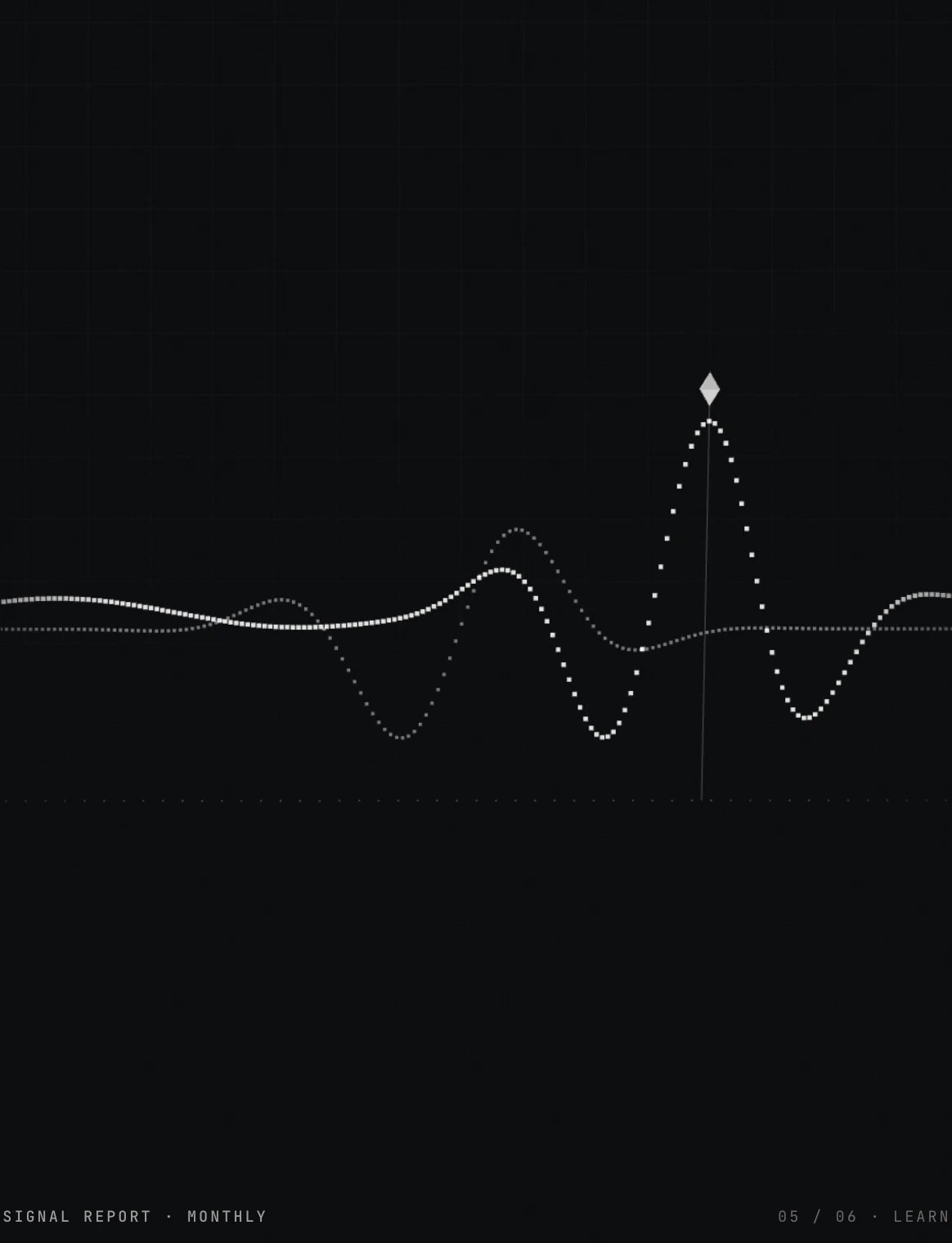
Every outbound patch reports back weekly: what was sent, who replied, which meetings booked, and the pipeline it touched. Positive replies trace to the account score that predicted them, so you can watch the model earn its place, and correct it where it misses.

Output: the weekly outbound report, pipeline touched

Step 06

Feed wins back to the model

Booked meetings and closed deals flow back into the ICP model. Scoring thresholds move, suppression lists grow, and the next batch targets a little tighter than the last. The outbound system sharpens every cycle, on infrastructure that stays yours.

Output: a tighter icp model, next patch queued

Outbound volume without the seat licenses. Scoped in a 20-minute call.

Book a 20-minute call
Ask, then act

One revenue memory. Every surface.

GTM inputs
attio
stripe
metronome
clearbit
apollo
snowflake
segment
postgres
slack
hubspot
mixpanel
intercom
zendesk
linear
bigquery
salesforce
posthog
amplitude
+ and more
Month one

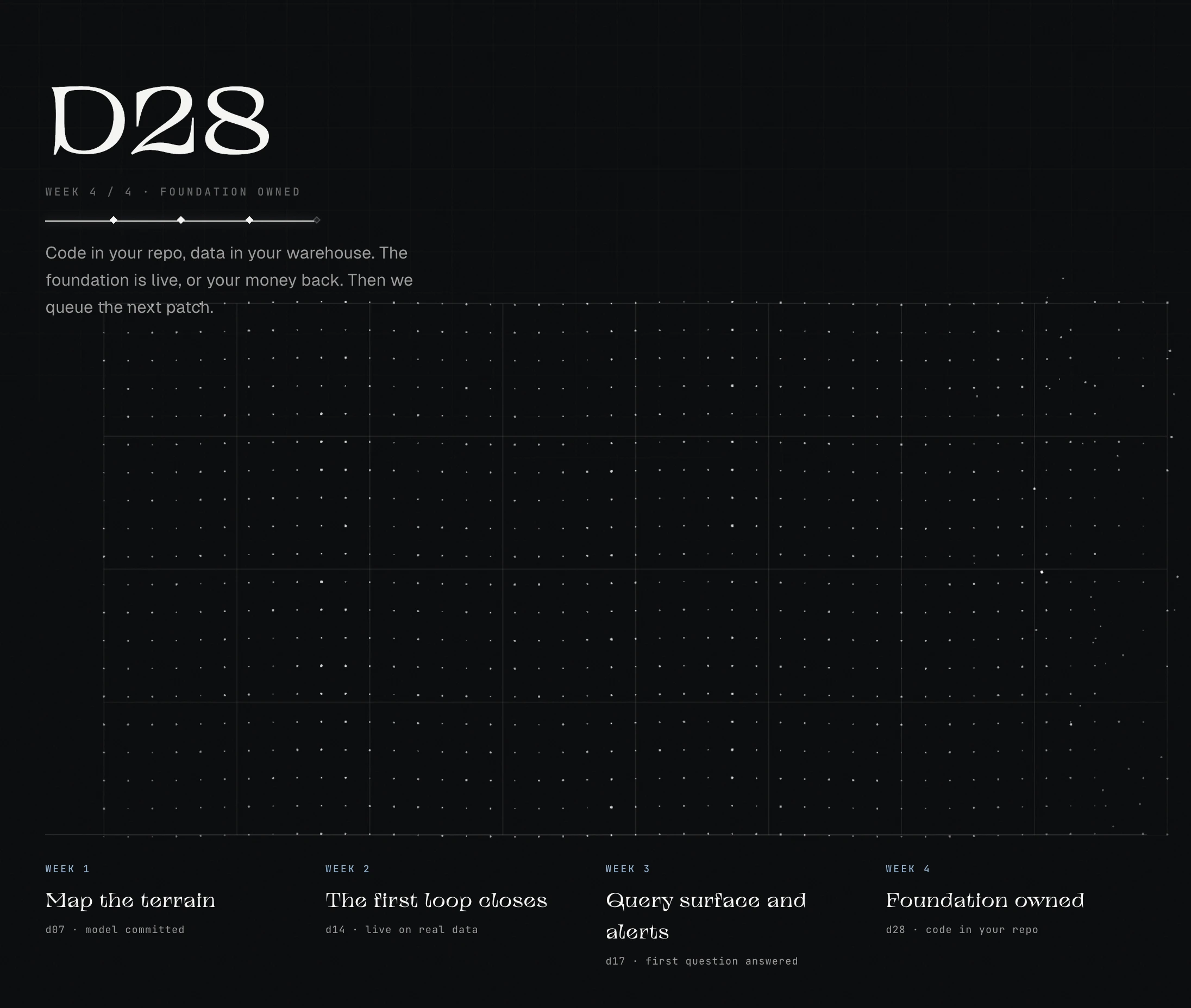
Month one puts outbound on your rails. Weekly patches raise the volume.

We start from your context and stand up the outbound foundation inside it: warehouse live, ICP model scored, first sequence sending, everything committed to your repo.

Week 1

Map the outbound terrain

Your team names the motion to run first. We chart the sources, stand up the warehouse, and train the ICP model on closed-won accounts.

Week 2

The first sequence

The first sequence sends to real scored accounts, not a test list. Mailboxes warmed, volume capped, every send logged to the memory.

Week 3

Replies and call queues

Reply classification routes positives to owners in Slack, and the call queue builds each morning from fresh signal. You act, we tune.

Week 4

Foundation owned

Code committed to your repo, memory in your warehouse. The outbound foundation is live, or your money back. Then the next patch queues.

You own the machine.

The sequences are code in your repo, the ICP model and every reply live in your warehouse, and the routing workflows run on your infrastructure instead of a per-seat sequencer that bills for each SDR you add. It's the outbound function you'd otherwise assemble from five subscriptions, running as one system your engineers can read. Cancel any month and the system keeps running.

In production

Real systems, running today.

We run our own outbound through PATCH, the same system we ship. The ledger below is live: 30+ owned commercial systems in production, operated weekly.

The next step

Let's build outbound worth owning.

In 20 minutes you'll know which motion to build first, cold email, calling, or reply routing, what your closed-won history can already score, and what ships in month one.

prefer email? contact@workingmono.com