Step 01
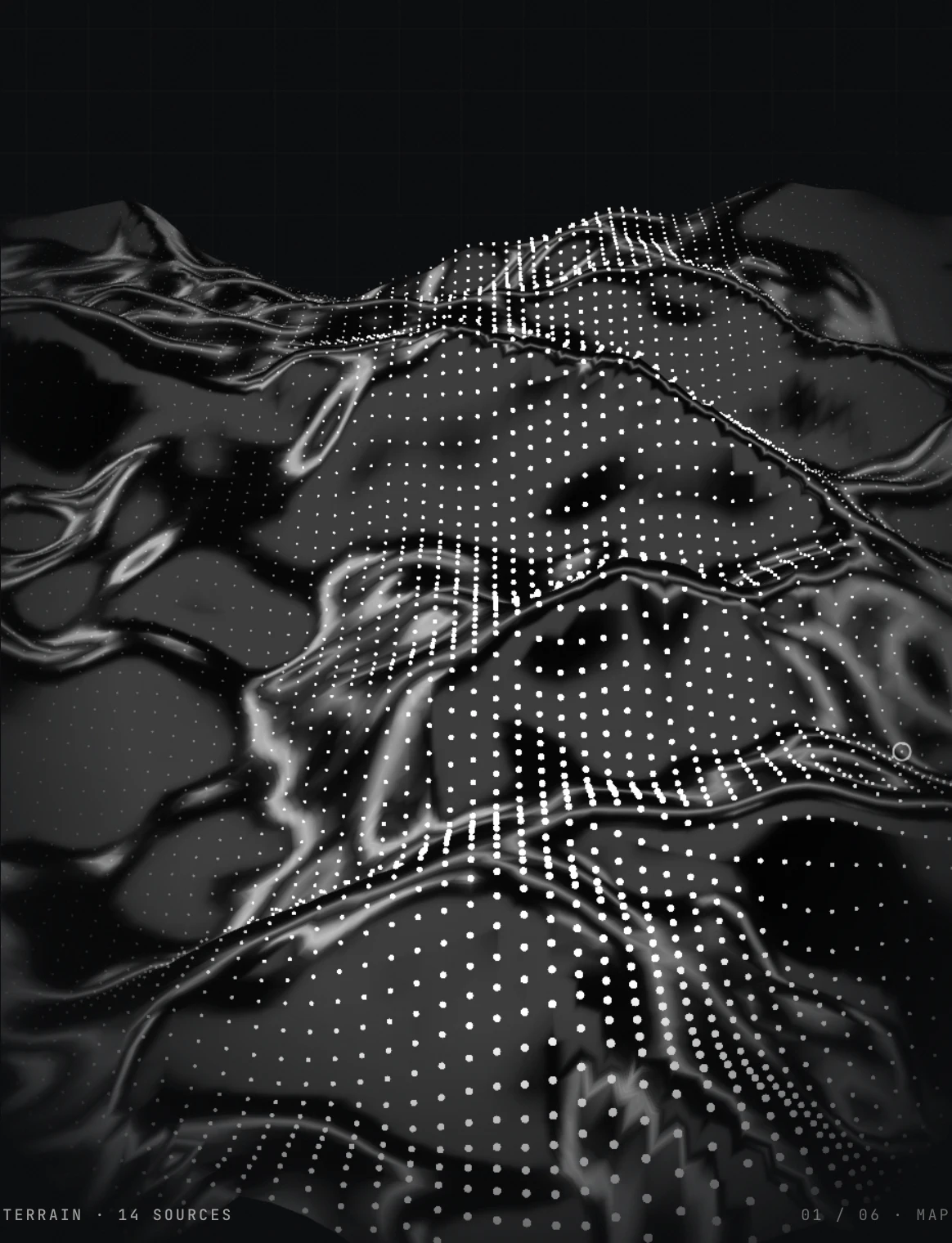
Chart the four surfaces
Product events, CRM objects, billing records, and support tickets each describe your accounts differently, and each is partly wrong. We interview the operators who live in each system while reading the schemas directly, and chart where the four stories about one customer disagree.
Output: the source map, every conflict named
Step 02
Resolve the entities
The hard center of the work: matching users to accounts, accounts to invoices, tickets to both, across IDs that were never designed to meet. Rules are written for your naming mess, your parent-child structures, your migration scars, then tested against the records themselves.
Output: one entity graph all four systems agree on
Step 03
Wire the lineage
Each field in the joined model carries its origin: which system, which record, which sync, how fresh. When a number looks wrong, anyone can walk it back to the row that produced it in seconds. Trust in the model stops being a matter of opinion.
Output: a source-traceable model with no orphan fields
Step 04
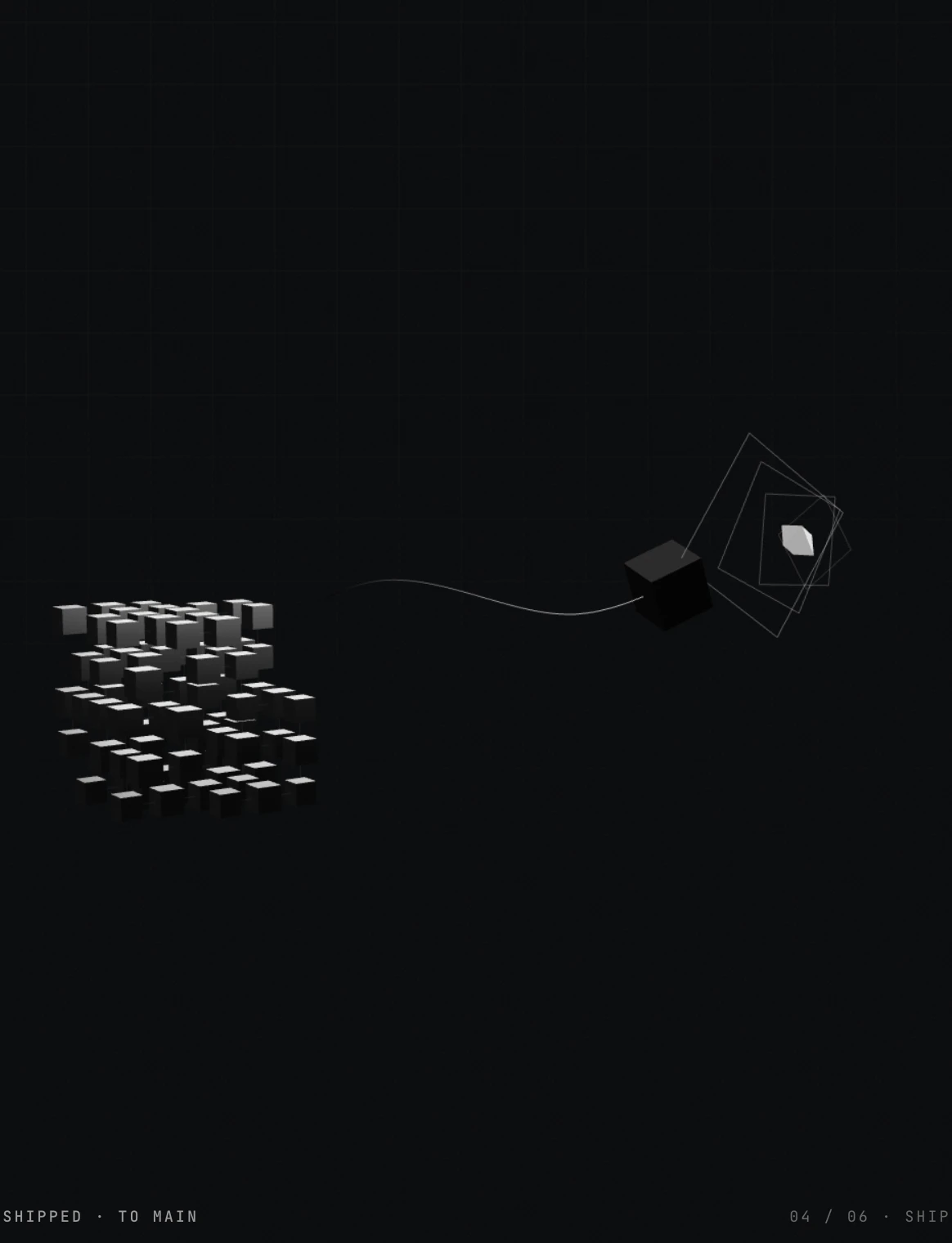
Put workflows on top
With the join solid, the downstream work gets fast. Scoring reads real usage next to real revenue. Routing sees support load before assigning owners. Expansion and risk plays fire on joined signal instead of one system's partial view. Each ships as a patch to your repo.
Output: workflows on joined signal, shipped as code
Step 05
Reconcile the drift
Sources drift: plans change in billing, objects get renamed, product ships new events. A reconciliation pass runs on schedule, catches the drift, and reports what moved and what it touched downstream, before your scoring quietly goes stale.
Output: the weekly drift report, join intact
Step 06
Deepen the model
Every workflow the join feeds teaches it something: a segment that behaves differently, an edge case worth encoding, a new source worth adding. The model deepens around your business, in your warehouse, where it compounds instead of being rebuilt.
Output: a deeper join, ready for the next workflow