Step 01
Scope what's worth building
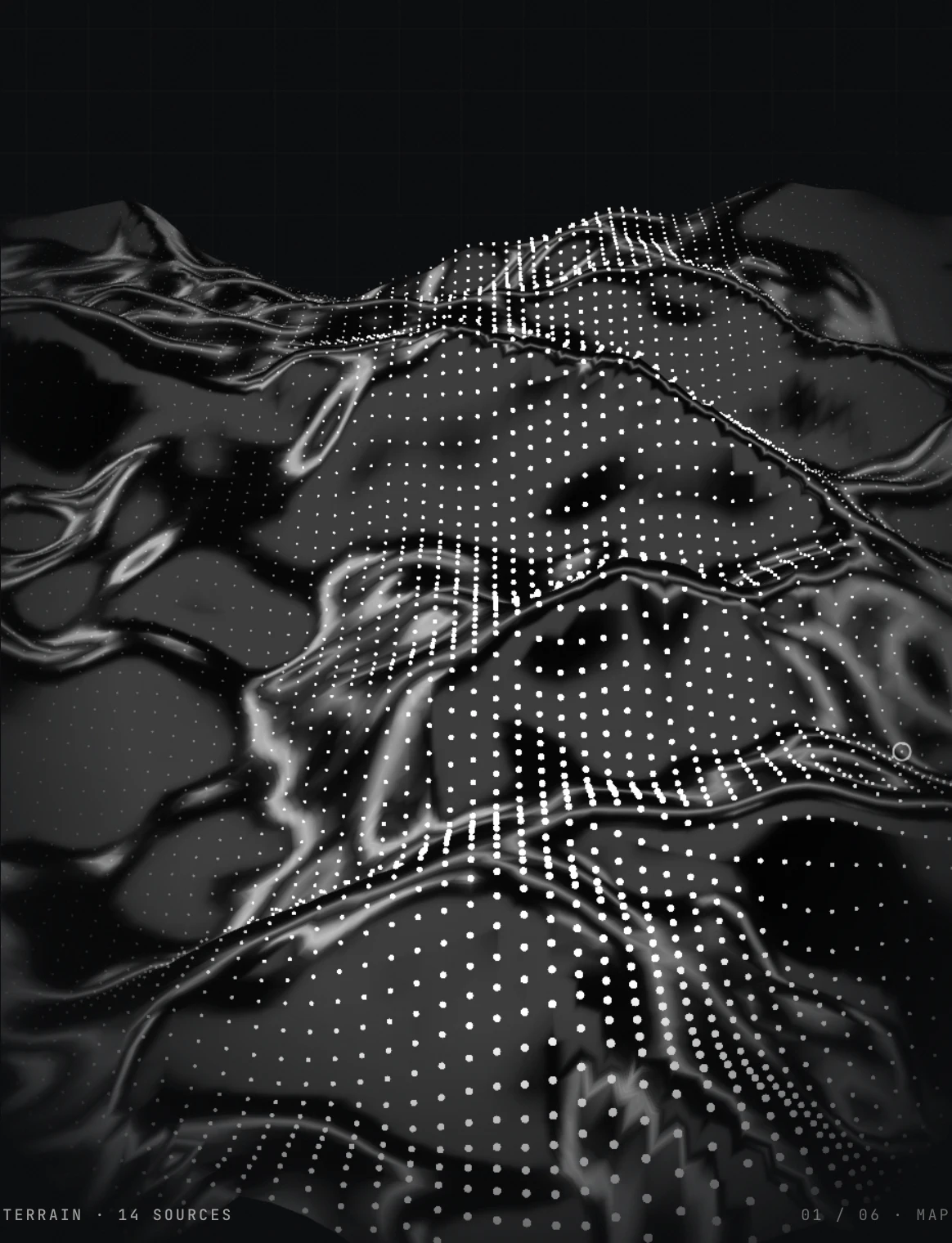
The first thing an internal build burns is discovery: weeks of meetings about what the system should even do. AI Terrain Mapping compresses that phase. Interview agents debrief your stakeholders while we read the CRM, product analytics, billing, and support APIs, so the spec comes from evidence instead of workshop consensus.
Output: a build spec grounded in your actual data, committed to your repo
Step 02
Build the data foundation
This is the part strong in-house teams do well, just slowly: modelling product usage, CRM, billing, and support into one warehouse model. We ship it in weeks because we have built this foundation 30+ times, and it lands as plain SQL and readable pipelines your engineers can audit without owning, whether the frontend is Attio or HubSpot.
Output: the joined revenue model, live in your warehouse
Step 03
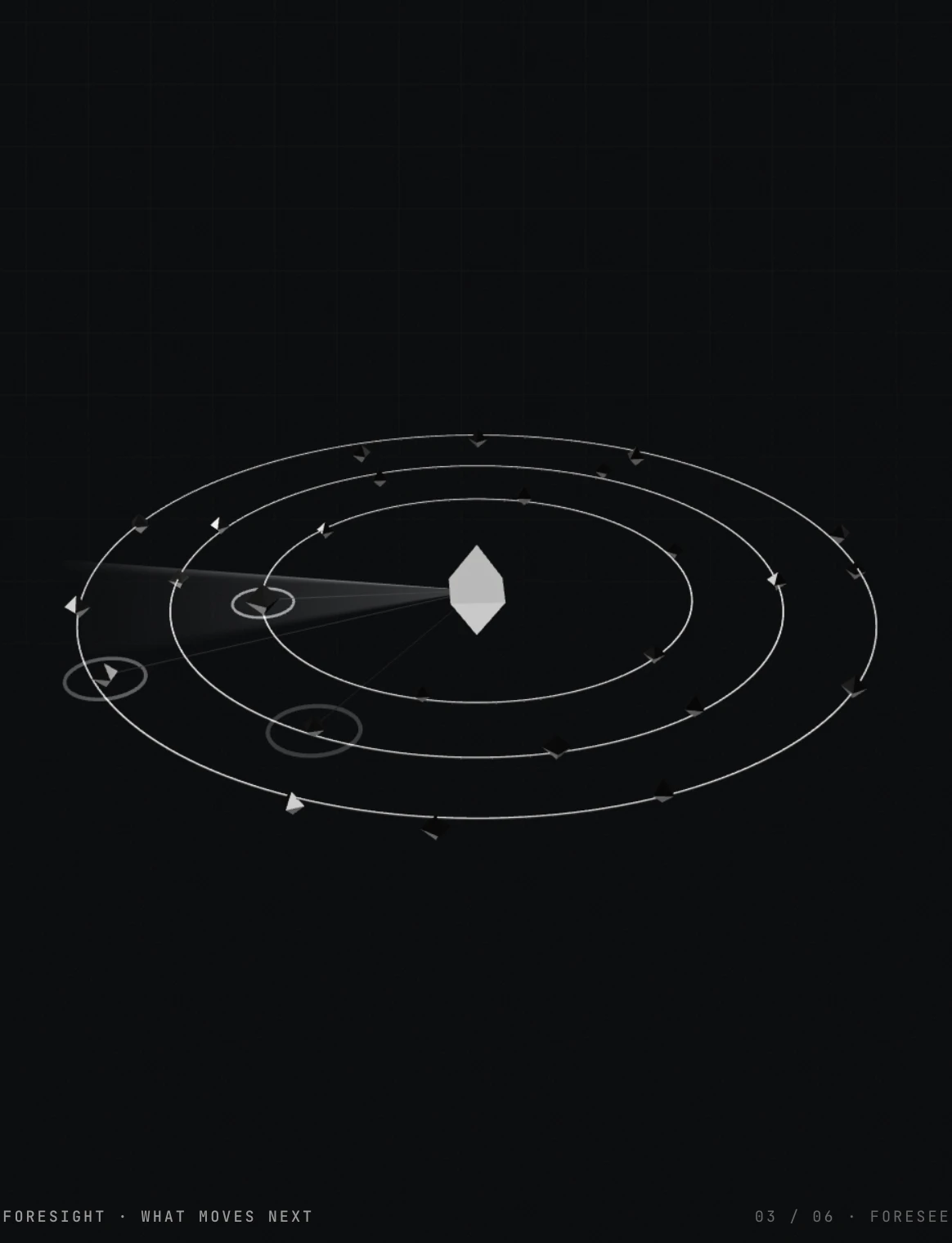
Decide the next workflow
An internal roadmap gets reprioritized every sprint, and GTM work loses to product work every time. Here the system itself makes the case: it sweeps the joined data and surfaces what should move next, so build order follows revenue instead of whoever asked loudest.
Output: a ranked queue of workflows worth building
Step 04
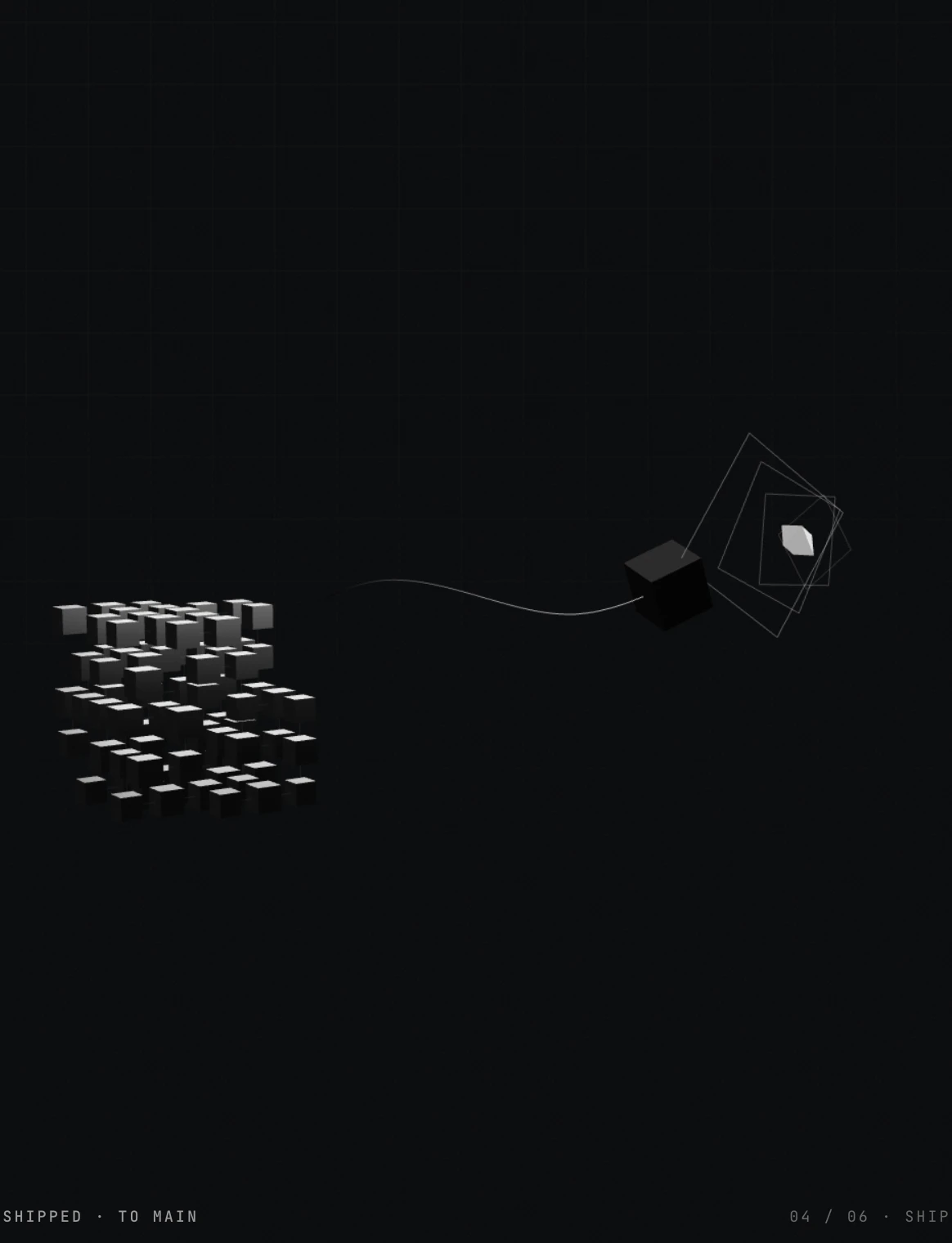
Ship it as reviewable code
Each workflow lands as a patch: routing, scoring, enrichment, outbound, lifecycle, written as code and verified against live data before it merges. Your engineers can read every line, comment like it's any other pull request, or ignore it entirely while they ship product.
Output: a verified workflow, merged and running
Step 05
Run the maintenance tail
Connectors rot on a schedule nobody sets: an API versions, a schema drifts, a webhook payload changes shape. That upkeep is the quiet cost of an internal build. Here it runs inside the weekly cadence, with monitors watching and a report showing what the system surfaced and moved.
Output: a weekly report, and nobody pulled off product
Step 06
Keep the handover open
Every result feeds back into the memory, and the docs update with it. Because the whole system is readable code with runbooks beside it, the takeover path never closes: hire a platform engineer in a year and they inherit a documented machine, not an archaeology project.
Output: a system your future hire reads, then runs