Step 01
Map the revenue operation
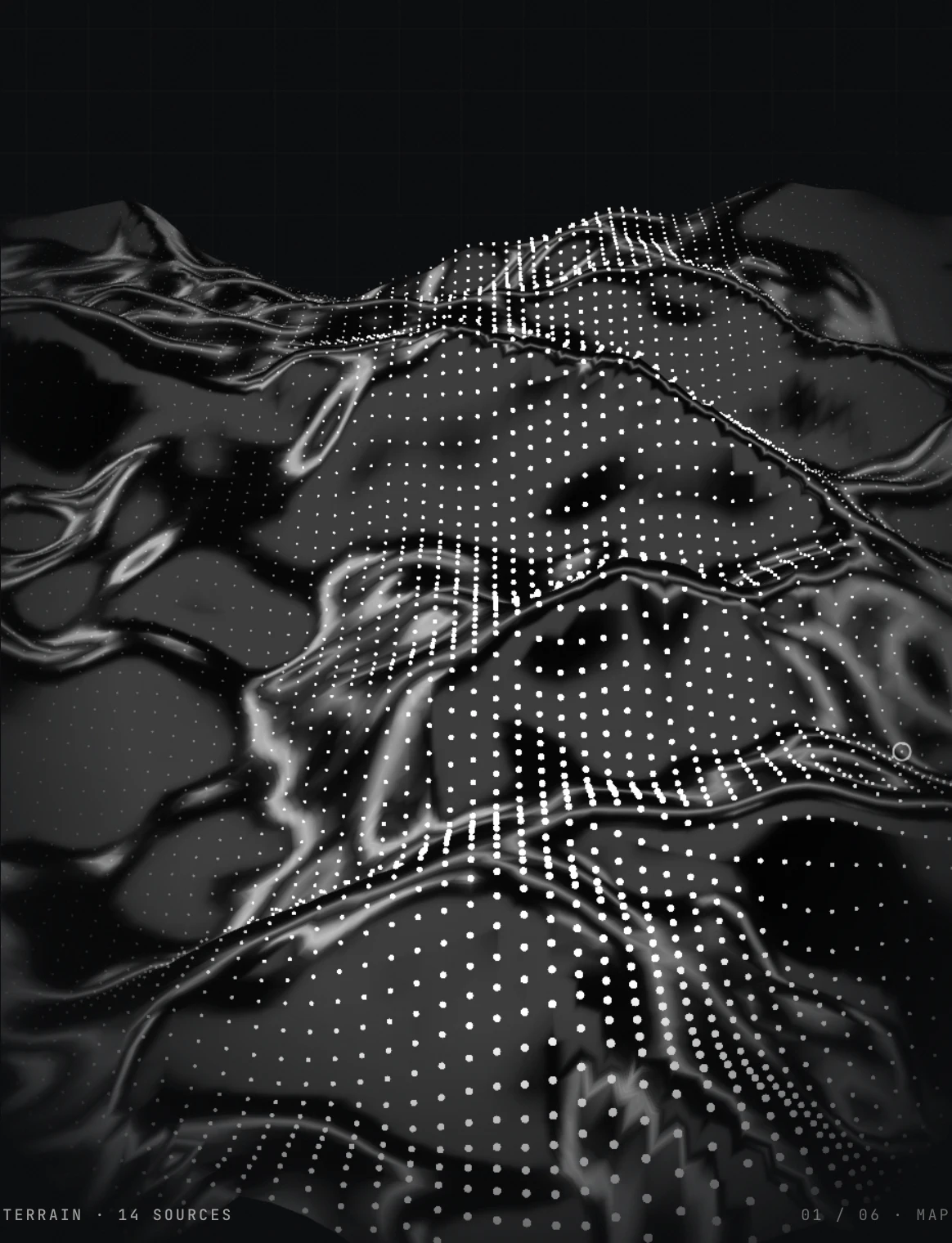
Discovery for RevOps usually means workshops and a process doc nobody opens twice. We run interview agents across your team while reading the CRM, billing, product, and support systems directly, then chart where belief and data disagree. The mess gets named before anything gets automated.
Output: a map of the revenue operation, in your repo
Step 02
Build one revenue model
Product usage, CRM, billing, and support land in your warehouse as one joined, source-traceable model of accounts and revenue. This is the layer five tools never share. Routing, lifecycle, and reporting all read from it, so a rule changed once holds everywhere.
Output: one joined revenue model in your warehouse
Step 03
Rank the automation queue
The model gets swept for the operations bleeding the most time and pipeline: leads sitting unrouted, stages drifting out of date, renewals with no owner, reports built by hand every Monday. Each becomes a scoped automation with an expected payoff, ranked before we build.
Output: a ranked queue of automations worth shipping
Step 04
Ship the workflow patch
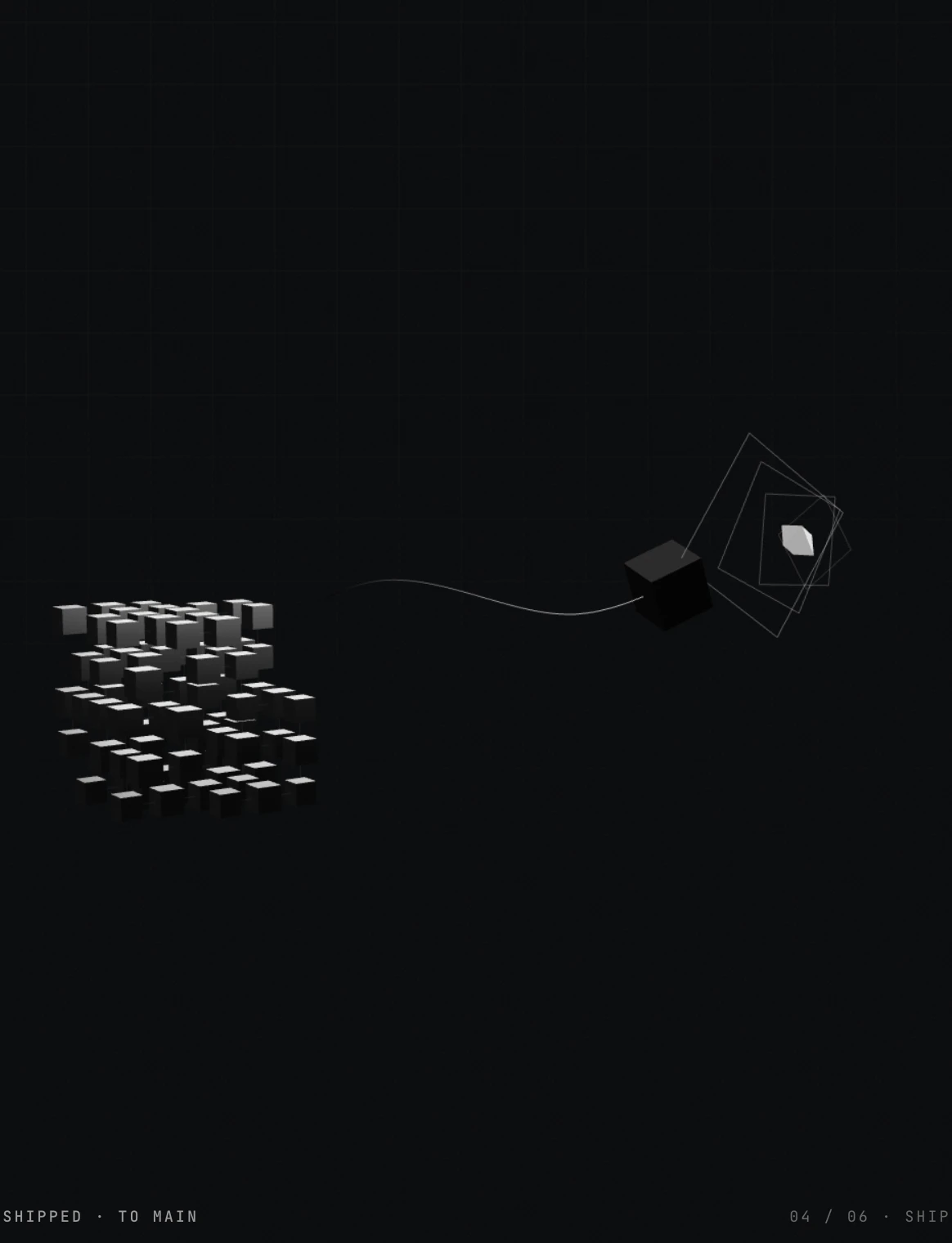
Routing, lifecycle updates, escalation alerts, pipeline reporting: each ships as a workflow patch, written as code, tested against live records, and merged to your repo. No brittle no-code chains to babysit. Your team reviews the diff the way engineers review any change.
Output: a production automation on your infrastructure
Step 05
Read the ROI report
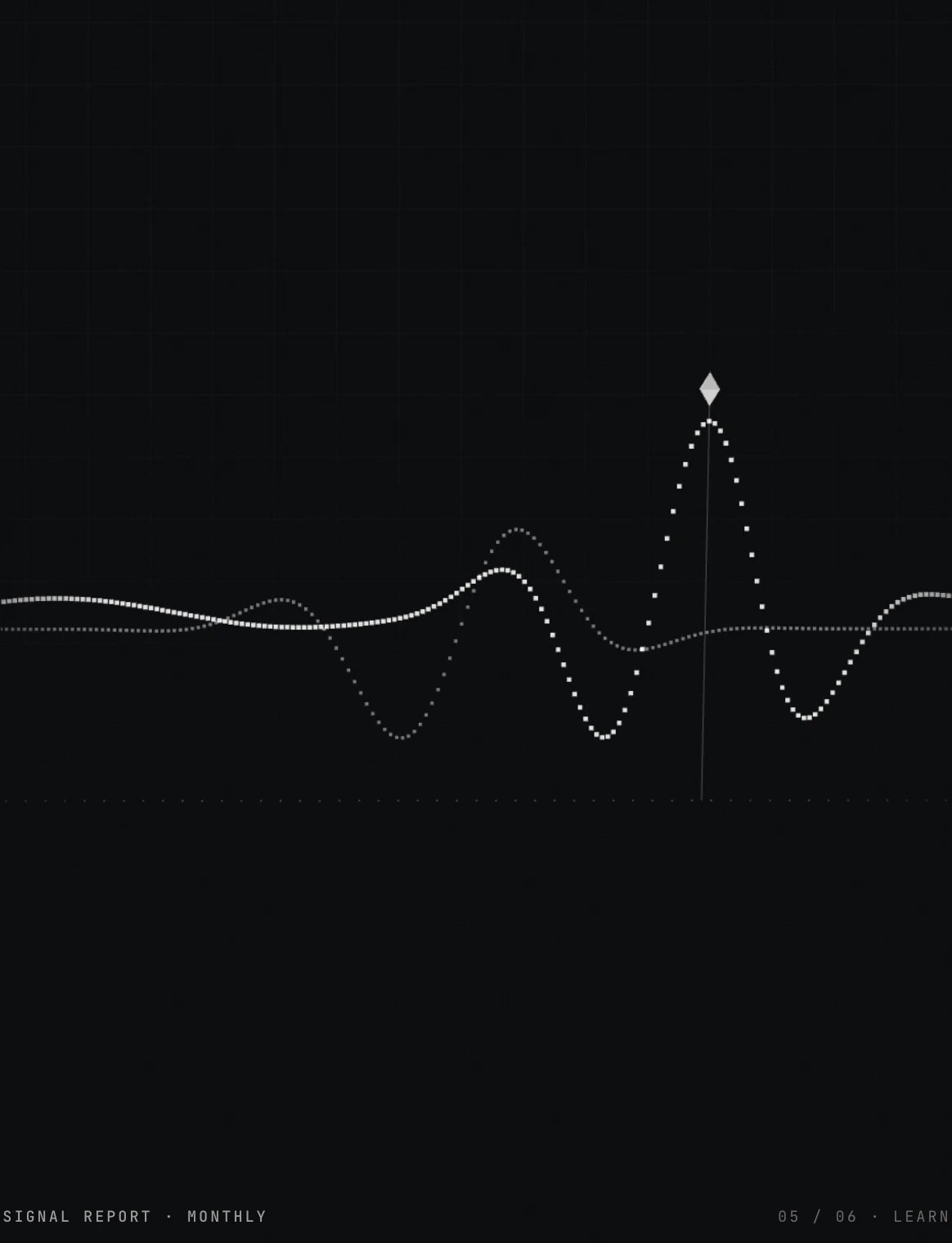
Every automation reports what it did: leads routed and to whom, stages corrected, alerts raised and answered, hours of admin removed. The weekly report is generated from the model itself, so RevOps stops assembling numbers and starts acting on them.
Output: the weekly ROI report, admin hours reclaimed
Step 06
Retune the model
What the automations learn goes back into the model. Scoring thresholds move with the data, routing rules absorb the exceptions, definitions stay current as the funnel changes. The system compounds instead of decaying into the usual rule sprawl.
Output: a sharper model, and the next patch queued